The cultural effects of casinos on modern society
The Rise of Casino Culture
Casinos have transformed from mere gambling establishments into vibrant entertainment hubs. This evolution has greatly influenced contemporary culture, as they blend gaming, dining, and live entertainment into one cohesive experience. The allure of casinos attracts millions of visitors annually, making them important cultural and economic landmarks in many regions. As such, they have become a significant part of local identities, shaping lifestyles and social interactions.
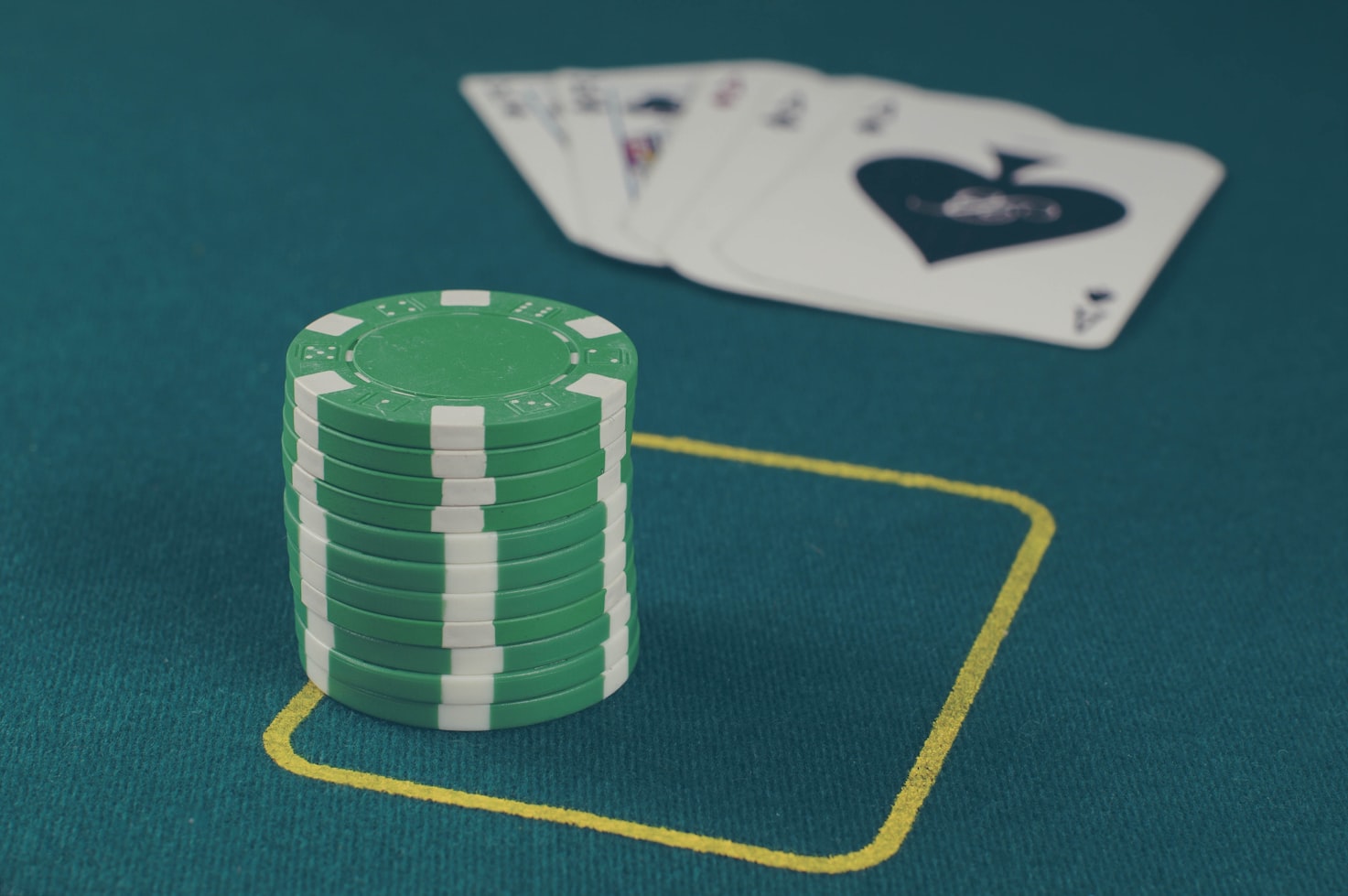
The proliferation of casinos has also led to the creation of unique subcultures centered around gambling. These environments foster social connections among diverse groups of people, enabling shared experiences that transcend traditional societal boundaries. From high rollers to casual gamers, the interactions within casinos often reflect broader societal trends and values, contributing to a diverse cultural tapestry. App Chicken Road
Economic Impacts and Social Perceptions
Casinos significantly contribute to local economies through job creation and tourism revenue. Many communities have come to rely on the economic boost provided by casinos, leading to improved infrastructure and community services. However, this dependence can also lead to mixed feelings, as the growth of casinos can contribute to social issues, including gambling addiction and crime. Thus, the perception of casinos is complex; while they can generate wealth, they may also impose societal costs.
Public attitudes toward casinos vary widely, often influenced by cultural norms and values. In some areas, casinos are seen as a symbol of progress and prosperity, while in others, they may be viewed with skepticism and concern. This dichotomy reflects broader societal debates about morality, economic development, and the role of entertainment in our lives.
Cultural Representation in Media
The influence of casinos extends into popular culture, where they frequently serve as backdrops for films, television shows, and literature. These representations often glamorize the lifestyle associated with gambling, promoting images of luxury, excitement, and risk-taking. However, such portrayals can also perpetuate stereotypes and myths about gamblers, which may not accurately reflect reality.
The Role of Regulation and Responsibility
As casinos continue to grow in popularity, the need for effective regulation has become increasingly important. Governments and regulatory bodies play a crucial role in ensuring that gambling remains a responsible and safe form of entertainment. This includes implementing measures to protect vulnerable populations, such as promoting responsible gambling initiatives and providing support for those who may struggle with addiction.
Exploring the Future of Casinos
The future of casinos in modern society is undoubtedly intertwined with technological advancements and changing consumer preferences. As online gambling platforms gain popularity, traditional casinos may need to adapt to retain their relevance. This shift raises questions about the cultural significance of physical casinos versus virtual experiences and how these changes will shape societal interactions around gambling.

author: manassharmaofficial
Manas Sharma is a seasoned fashion choreographer, educator, and founder of Raw to Runway, a platform dedicated to transforming aspiring models and designers into industry-ready professionals. With a background in aerospace engineering from Coventry University, England, Manas's journey into the fashion world began during his university days when he volunteered at London Fashion Week, an experience that ignited his passion for fashion. Upon returning to India in 2014, Manas collaborated with the Indian Trade Fair Organisation, managing Khadi fashion shows and connecting with prominent figures in the Indian fashion industry. His exposure to Lakmé Fashion Week further deepened his understanding of fashion choreography and event management. In 2016, he relocated to Gujarat, where he directed his first live fashion show, launching UM Motorcycles, marking a significant milestone in his career. Through Raw to Runway, Manas offers comprehensive training in runway walking, posing, and professional grooming, culminating in live fashion shows and exhibitions. His approach emphasizes hands-on learning, industry insights, and networking opportunities, empowering participants to build their portfolios and gain exposure in the competitive fashion industry. Manas's dedication to the craft is evident in his work with various fashion weeks, designer showcases, and university events. He has also been recognized with awards such as Best Choreography at the TOONS Award in December 2020 and Best Show Director at ITCC India in 2018. Based in Vadodara, Gujarat, Manas continues to inspire and mentor the next generation of fashion professionals, leaving an indelible mark on India's fashion landscape.