The Allure of Gambling: Psychological Triggers
The psychology of gambling is deeply rooted in the allure of risk and reward. Many players are drawn to the thrill of potentially winning large sums of money, which can evoke strong emotions. This excitement often leads to a state of euphoria, where the anticipation of a big win can overshadow the reality of losses. Understanding this psychological trigger is essential for both players and casinos, as it shapes the gambling experience and influences behavior. Additionally, the rise of platforms offering no kyc crypto casino experiences reflects the evolving landscape of gaming, appealing to modern preferences.

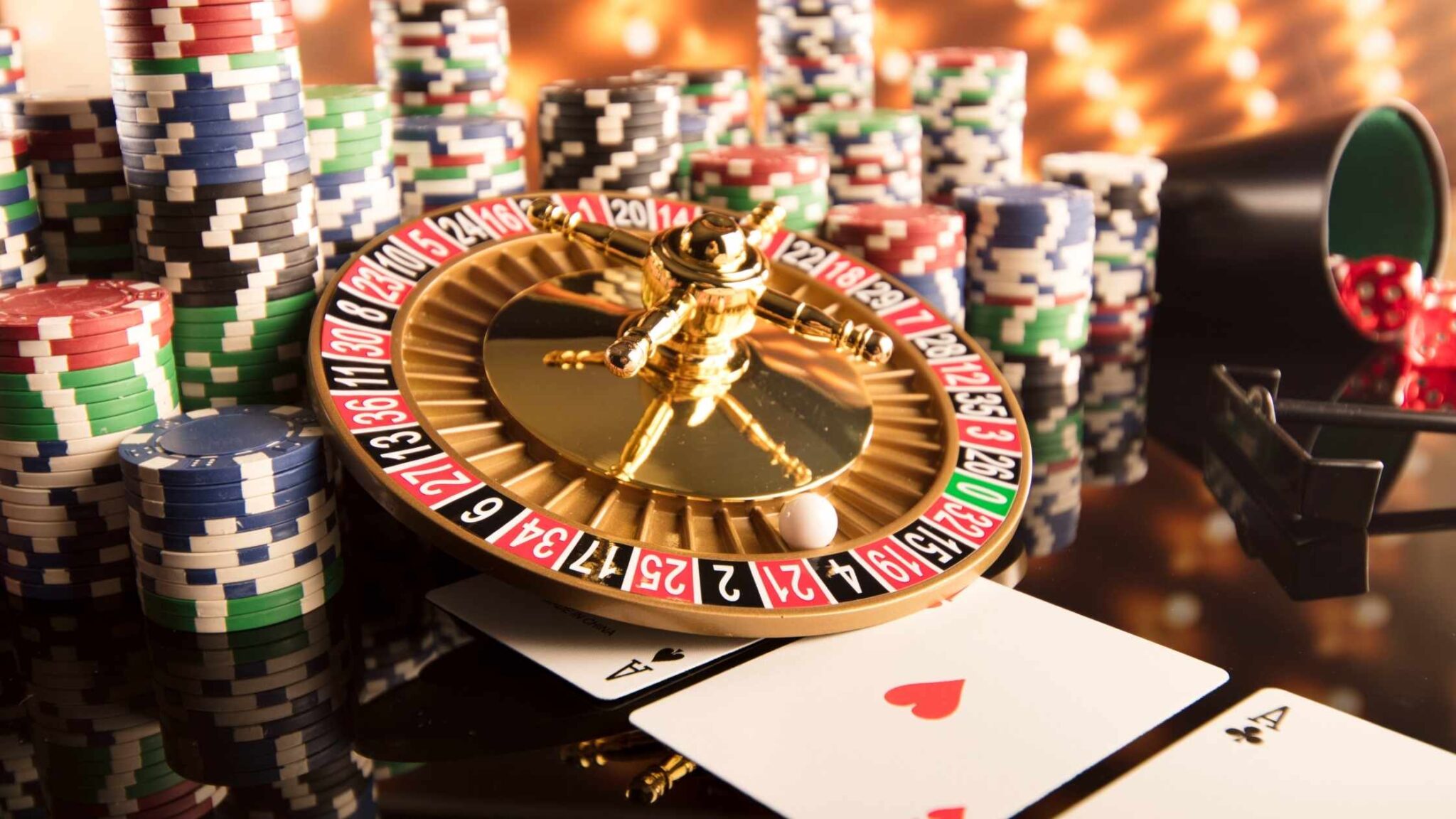
Additionally, the design elements of casinos, such as lights and sounds, are strategically implemented to heighten these emotional responses. This immersive environment reinforces the feelings of happiness and excitement, creating a compelling atmosphere that encourages players to continue gambling despite the odds.
Behavioral Patterns in Casino Gaming
Players often develop specific behavioral patterns when engaging in casino gaming. These patterns can include chasing losses, where individuals continue to bet in hopes of recouping what they lost, or adhering to self-imposed betting limits to control their spending. Understanding these behaviors is crucial for both players and gambling establishments, as it can dictate how individuals approach gaming strategies.
Moreover, the concept of ‘loss aversion’ plays a significant role in how players strategize. Loss aversion refers to the principle that losses weigh heavier on an individual’s psyche than equivalent gains. This psychological phenomenon can lead players to take on riskier bets or deviate from their strategies as they try to mitigate losses, showcasing the complex interplay between emotions and decision-making in the gambling environment.
The Role of Cognitive Biases in Gambling Strategies
Cognitive biases significantly impact how players formulate their gaming strategies. One prevalent bias is the ‘gambler’s fallacy,’ which is the belief that past events can influence future outcomes in random games. For instance, a player might believe that after a series of losses, a win is ‘due’ to happen. This misunderstanding of probability can lead to poor betting decisions and increased risk-taking.
Additionally, the ‘illusion of control’ is another cognitive bias that affects gamblers. Many players believe they can influence the outcome of games of chance through their actions or strategies, leading them to make decisions that defy logical probability. Understanding these biases can enhance a player’s awareness and encourage more rational decision-making, ultimately improving their gaming experience.
Strategies for Responsible Gambling
While the psychology of gambling can encourage risk-taking, it is vital for players to adopt responsible gaming strategies. These strategies often include setting strict budgets, taking regular breaks, and being aware of the signs of compulsive gambling. By incorporating these measures, players can enjoy the thrill of casino gaming without the adverse effects of addiction or financial loss.
Furthermore, recognizing the psychological triggers and biases can empower players to make informed decisions, helping them avoid pitfalls associated with emotional gambling. Education about responsible gaming not only benefits individual players but also promotes a healthier gambling culture within the casino environment.
Security and Support for Online Gamblers
This website prioritizes user security, offering essential support for individuals navigating the world of online gaming. By implementing robust measures against online threats, the site ensures a safe environment for users to engage in casino gaming while providing information on accessing the platform effectively.
Moreover, users encountering access restrictions can find guidance on resolving issues, emphasizing the platform’s commitment to an enjoyable and secure gaming experience. By fostering a supportive community, this website enhances the overall player experience and encourages a responsible approach to gaming strategies.

author: manassharmaofficial
Manas Sharma is a seasoned fashion choreographer, educator, and founder of Raw to Runway, a platform dedicated to transforming aspiring models and designers into industry-ready professionals. With a background in aerospace engineering from Coventry University, England, Manas's journey into the fashion world began during his university days when he volunteered at London Fashion Week, an experience that ignited his passion for fashion. Upon returning to India in 2014, Manas collaborated with the Indian Trade Fair Organisation, managing Khadi fashion shows and connecting with prominent figures in the Indian fashion industry. His exposure to Lakmé Fashion Week further deepened his understanding of fashion choreography and event management. In 2016, he relocated to Gujarat, where he directed his first live fashion show, launching UM Motorcycles, marking a significant milestone in his career. Through Raw to Runway, Manas offers comprehensive training in runway walking, posing, and professional grooming, culminating in live fashion shows and exhibitions. His approach emphasizes hands-on learning, industry insights, and networking opportunities, empowering participants to build their portfolios and gain exposure in the competitive fashion industry. Manas's dedication to the craft is evident in his work with various fashion weeks, designer showcases, and university events. He has also been recognized with awards such as Best Choreography at the TOONS Award in December 2020 and Best Show Director at ITCC India in 2018. Based in Vadodara, Gujarat, Manas continues to inspire and mentor the next generation of fashion professionals, leaving an indelible mark on India's fashion landscape.