Cultural significance of casinos more than just games of chance
Historical Context of Casinos
Casinos have a rich history that dates back centuries, reflecting the evolution of society’s relationship with gambling. Originating in ancient civilizations, early forms of gambling were often tied to rituals and religious practices. Over time, these establishments transformed from simple gaming houses into elaborate resorts that blend entertainment with luxury. This historical trajectory highlights how casinos have not only served as venues for games of chance but also as cultural landmarks, similar to the way betting exchange sites contribute to the evolving landscape of online gaming.
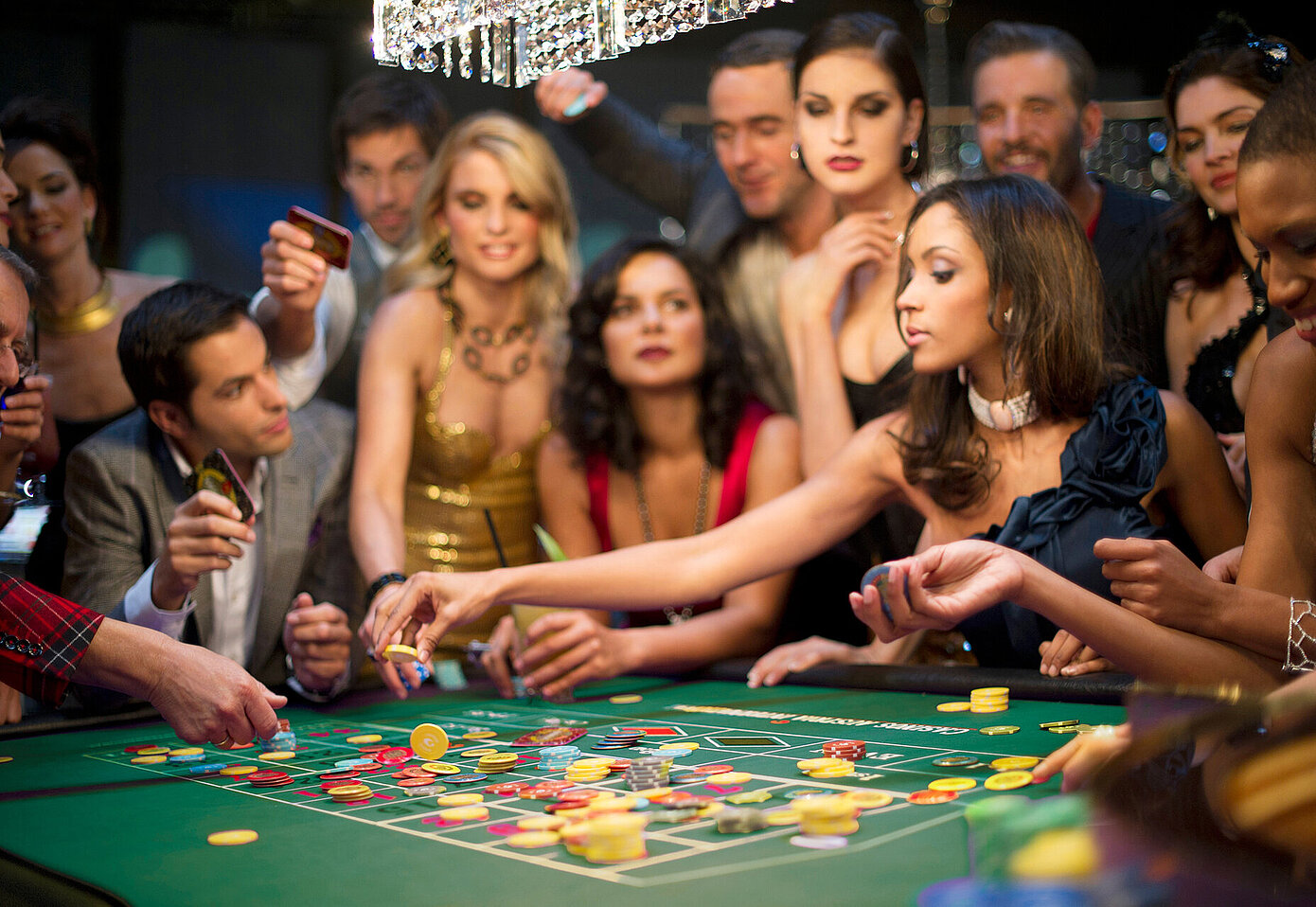
The evolution of casinos can be seen through various cultural lenses, from the opulent palaces of Europe to the vibrant gaming halls of Las Vegas. Each iteration carries its own cultural significance, representing local customs, social gatherings, and economic aspirations. This backdrop shows that casinos have always been more than just places to gamble; they are integral to the cultural fabric of their respective societies.
Social Dynamics and Interaction
Casinos function as social hubs, bringing people together from diverse backgrounds. Whether it’s locals enjoying a night out or tourists seeking entertainment, these venues foster connections among individuals. The ambiance of a casino often encourages interaction, making it a space where friendships are formed and conversations sparked. This social aspect is a crucial part of their cultural importance.
Moreover, casinos often host events and entertainment that enhance their role as community gathering spots. From live music to culinary experiences, these offerings draw people in and create a vibrant atmosphere. This interplay of gaming and social interaction underscores how casinos contribute to social cohesion, making them a significant part of modern life.
Economic Contributions
The economic impact of casinos extends far beyond their immediate operations. They create jobs, stimulate local economies, and attract tourism, making them vital contributors to economic growth. In many regions, casinos provide significant tax revenue that can fund public services and infrastructure development. This economic significance highlights the dual role of casinos as both entertainment centers and economic engines.
Furthermore, the presence of a casino can catalyze the growth of surrounding businesses, from restaurants to hotels. This interconnectedness fosters a thriving ecosystem that benefits multiple sectors, illustrating how casinos serve as pivotal players in the economic landscape of their communities.
Cultural Representation in Media
Casinos have also made a profound impact on popular culture, influencing everything from movies to literature. They are often portrayed as glamorous locations filled with excitement and intrigue, which can shape public perceptions of gambling. This portrayal reflects societal attitudes towards chance and risk, showcasing casinos as symbols of fortune, aspiration, and sometimes, caution.
The way casinos are represented in media also plays a role in their cultural significance. Films and television shows often romanticize the casino experience, inviting audiences to explore themes of luck, strategy, and the human condition. This cultural representation underscores the multifaceted nature of casinos, demonstrating their influence far beyond the gaming floor.

Understanding Responsible Gaming
Responsible gaming practices are essential to the cultural narrative surrounding casinos. As entertainment venues, casinos are increasingly aware of their role in promoting safe gaming behaviors. Education and resources for responsible gambling have become integral components of the casino experience, reflecting a commitment to the well-being of patrons.
This focus on responsible gaming is not only important for individual players but also for the broader community. By fostering a culture of awareness and support, casinos aim to mitigate the risks associated with gambling. This cultural commitment to safety and responsibility enhances the overall significance of casinos as places of enjoyment and community engagement.

author: manassharmaofficial
Manas Sharma is a seasoned fashion choreographer, educator, and founder of Raw to Runway, a platform dedicated to transforming aspiring models and designers into industry-ready professionals. With a background in aerospace engineering from Coventry University, England, Manas's journey into the fashion world began during his university days when he volunteered at London Fashion Week, an experience that ignited his passion for fashion. Upon returning to India in 2014, Manas collaborated with the Indian Trade Fair Organisation, managing Khadi fashion shows and connecting with prominent figures in the Indian fashion industry. His exposure to Lakmé Fashion Week further deepened his understanding of fashion choreography and event management. In 2016, he relocated to Gujarat, where he directed his first live fashion show, launching UM Motorcycles, marking a significant milestone in his career. Through Raw to Runway, Manas offers comprehensive training in runway walking, posing, and professional grooming, culminating in live fashion shows and exhibitions. His approach emphasizes hands-on learning, industry insights, and networking opportunities, empowering participants to build their portfolios and gain exposure in the competitive fashion industry. Manas's dedication to the craft is evident in his work with various fashion weeks, designer showcases, and university events. He has also been recognized with awards such as Best Choreography at the TOONS Award in December 2020 and Best Show Director at ITCC India in 2018. Based in Vadodara, Gujarat, Manas continues to inspire and mentor the next generation of fashion professionals, leaving an indelible mark on India's fashion landscape.